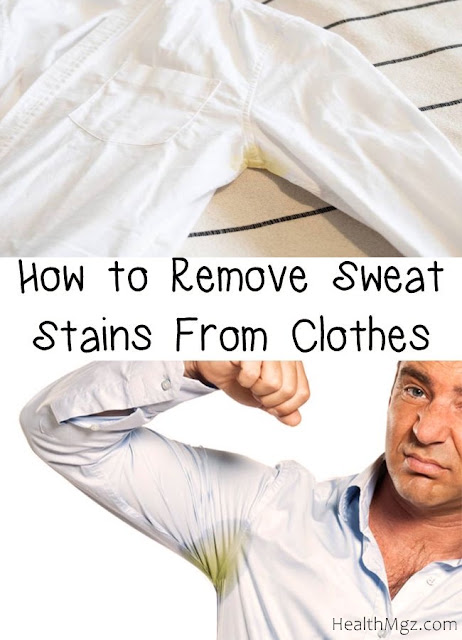
It can be annoying to deal with sweat stains on your clothing, particularly if you see discolored patches on your favorite top or yellow stains on white shirts. Fortunately, there are efficient ways to get rid of these stains and return your clothing to its former state.
Ever wonder why seemingly colorless perspiration causes stains on clothes? It turns out that a combination of your perspiration, deodorant, and skin germs is the real culprit, not just perspiration per se. Because they only perspire when exercising or being outside, many people may not be concerned about their regular clothes getting discolored, but others who perspire more frequently have a harder time.
In this article, we’ll explore various ways to eliminate sweat stains and even prevent them from happening in the first place.
Now, are sweat stains permanent?
They can be tough to remove if left untreated for a long time. Acting
promptly and following the right steps is crucial to prevent them from
becoming stubborn to clean. Heat, especially from the dryer, can set
sweat stains, so it’s advisable to air dry your clothes when attempting
to remove tricky stains.
If your initial attempt doesn’t yield the desired results, repeat the
steps until you are satisfied before returning to your regular drying
routine.
How to Remove Sweat Stains: A Step-by-Step Guide
Step 1: Gather Your Supplies
Start by collecting the items you’ll need to tackle those stubborn
sweat stains. Fortunately, you probably already have most of these items
in your pantry:
- 2 cups of water
- 1 cup of white vinegar
- ½ cup of baking soda
- 1 tablespoon of table salt
- 1 tablespoon of hydrogen peroxide
- A clean toothbrush or spoon
Step 2: Prepare the Solution and Soak
Once you have all your supplies, create a soaking solution by mixing
two cups of water with one cup of gentle detergent. Pour this solution
into a clean tub or bowl, and soak the sweat-stained garment in it for
30 minutes.
After the soaking period, roll the garment in a towel and gently
squeeze out any excess water. Finally, lay the shirt flat on a surface
to dry.
Step 3: Create Your Stain Removal Paste
The key to tackling sweat stains lies in the scrubbing mixture.
Combine half a cup of baking soda, a tablespoon of table salt, and a
tablespoon of hydrogen peroxide to create a paste. This paste is
designed to break up the proteins in the sweat stains, either reducing
their size or completely removing them.
Step 4: Scrub Away the Sweat
Apply the paste to the sweat stains using a clean toothbrush or
spoon, and gently massage it in. Allow the paste to soak into the stain
for an additional 20 minutes.
After the soaking period, wash your garment in the washing machine following the care label’s instructions.
Always opt for air-drying to prevent any remaining stains from
setting in, as heat from a dryer can be counterproductive. If any sweat
stains persist, repeat the process as needed until you achieve the
desired results.
Alternative Methods for Removing Sweat Stains
When you’re facing a sweat stain emergency and lack the time or
supplies for the previously mentioned steps, here are some simple
alternatives using items you likely have in your kitchen:
Using Aspirin
Believe it or not, aspirin can do more than just relieve headaches.
In a pinch, you can try this DIY method using only aspirin and warm
water. Crush two aspirin tablets and mix the powder with half a cup of
warm water.
Soak the stained part of your garment in the solution for two to
three hours, then wash and air dry as usual. Aspirin contains
acetylsalicylic acid, which breaks down into salicylic acid when exposed
to moisture, effectively cleaning clothes without bleaching fabrics.
Using Dish Soap
Another effective stain-removing combo is hydrogen peroxide and dish
soap. Mix one part dish soap with two parts hydrogen peroxide. Tamp the
stain with a clean toothbrush, let it sit for an hour, then wash and air
dry. Dish soap is also excellent for tackling oil and grease stains.
Using Salt and Lemons
For those who prefer natural alternatives without chemicals, consider these two kitchen staples:
Dissolve four tablespoons of table salt in one quart of hot water.
Use a sponge soaked in this saltwater solution to gently pat down the
stain until it disappears. Salt’s stain-fighting power comes from its
sharp-edged grains, which can scrape away stains and residues. However,
be gentle, as excessive scrubbing with salt may damage fabric fibers.
Lemon juice, when mixed with equal parts water, can be a simple and
natural cleaning solution. Gently massage the stained area with this
lemon-water mixture before washing and air drying. Lemon juice is known
for its stain-fighting properties and is particularly gentle on delicate
fabrics.
Lemon Juice for Sweat Stains
For a natural solution to sweat stains, consider using lemon juice.
Lemon juice works wonders in removing unsightly stains from clothes by
creating a simple cleaning solution. To make this solution, mix equal
parts lemon juice and water, then gently massage the stained area before
washing and air drying.
Lemon juice serves as a gentle stain fighter, suitable even for your most delicate garments.
Preventing Sweat Stains
Dealing with stubborn sweat stains on your favorite clothes can be a
hassle, especially if they’ve had time to set in. The best approach is
to prevent sweat stains from occurring in the first place. Here are some
tips to keep those pesky stains from ruining your garments:
- Use antiperspirant: Opt for strong antiperspirants containing aluminum chloride or aluminum zirconium to significantly reduce underarm sweat.
- Apply antiperspirant before bed: Apply a thin layer of antiperspirant to your underarms before bedtime on clean, dry skin.
- Avoid excessive deodorant application: If using
regular deodorant, be mindful not to apply too much, as excessive
application can lead to more staining on your clothing. - Wear an undershirt or sweat guards: Opt for an
undershirt made of moisture-wicking material to absorb sweat.
Alternatively, use sweat guards that stick to the inside of your
clothing. - Trim underarm hair: Regularly trim your underarm hair to reduce sweating and enhance the effectiveness of antiperspirants.
- Wash clothes promptly: To prevent sweat stains from
setting in, wash your clothes as soon as possible after wearing them.
If immediate washing isn’t possible, hang them to dry instead of putting
them in the hamper.