
Numerous studies have shown a strong connection between stress and skin conditions. Acne, eczema, psoriasis, and rosacea are just a few of the skin conditions that stress can cause or make worse. The balance of the skin is upset by stress hormones like cortisol, which cause inflammation, excessive oil production, a compromised skin barrier, and slower wound healing.
For the skin to remain healthy, stress management is essential. While topical remedies are important, addressing the underlying cause leads to more long-lasting effects. Self-care routines, mindfulness, and stress management strategies are beneficial for overall skin vitality.
This article examines the effects of stress on the skin, the conditions it affects specifically, and useful stress-reduction techniques. Gain knowledge to get skin that is healthier and happier.
Stress and Skin: Unraveling the Link
Stress triggers a cascade of physiological responses in our bodies,
including the release of stress hormones like cortisol. These hormonal
changes have a profound impact on the health and appearance of our skin.
Increased Inflammation and Sensitivity:
Stress stimulates inflammatory pathways, leading to heightened
inflammation in the body and the skin. This can result in redness,
irritation, and increased sensitivity, making the skin more prone to
various skin conditions and reactions.
Impaired Barrier Function:
Stress disrupts the skin’s natural barrier function, compromising its
ability to retain moisture and protect against external irritants. This
weakened barrier allows for increased water loss, dryness, and a higher
risk of developing skin infections or allergies.
Accelerated Aging Processes:
Chronic stress can accelerate the aging process of the skin.
Increased cortisol levels break down collagen and elastin, essential
proteins responsible for maintaining skin elasticity and firmness. This
leads to the formation of fine lines, wrinkles, and sagging skin.
Aggravation of Existing Skin Conditions:
For individuals with pre-existing skin conditions like acne, eczema,
psoriasis, or rosacea, stress can exacerbate these conditions. Stress
can trigger flare-ups, intensify symptoms, and prolong the healing
process, making it crucial to address stress as part of their management
plan.
Understanding how stress impacts the skin provides valuable insights
into developing effective strategies for managing and improving skin
health. By implementing stress reduction techniques and adopting a
holistic approach to skincare, individuals can minimize the negative
effects of stress on their skin and promote a healthier complexion.
Common Skin Conditions Exacerbated by Stress
1. Acne and Breakouts:

Stress Hormones and Sebum Production:
Stress triggers the release of hormones, such as cortisol, which
stimulates the sebaceous glands to produce more sebum. Excessive sebum,
combined with dead skin cells and bacteria, clogs the pores, leading to
the formation of acne.
Inflammation and Pore Clogging:
Stress-induced inflammation worsens acne by promoting the production
of pro-inflammatory substances. This can result in red, swollen, and
painful breakouts. Moreover, stress can disrupt the natural skin
shedding process, further contributing to pore clogging.
Effective Stress Management Techniques for Acne-prone Skin:
To manage acne-prone skin affected by stress, adopting stress
management techniques is essential. These may include practicing
relaxation techniques like deep breathing, engaging in regular physical
activity, getting adequate sleep, maintaining a healthy diet, and
incorporating skincare products with anti-inflammatory ingredients.
By understanding the interplay between stress and acne, individuals
can tailor their skincare routines and stress management practices to
minimize breakouts and promote clearer, healthier skin.
2. Eczema and Atopic Dermatitis:
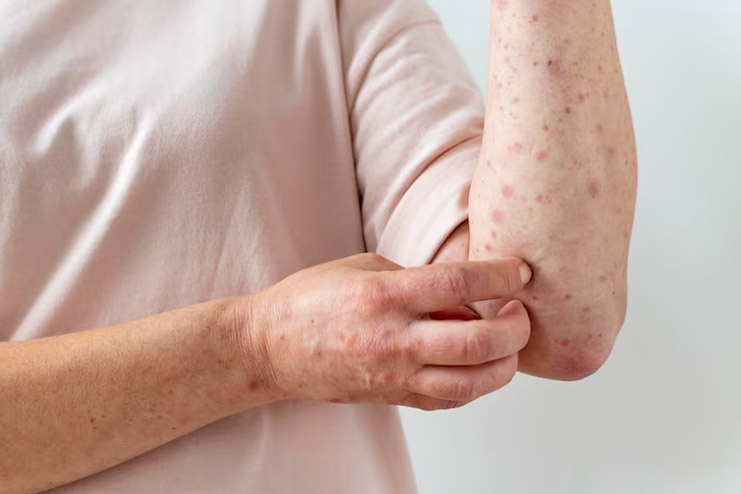
Stress as a Trigger for Flare-ups:
Stress is known to trigger or worsen flare-ups of eczema and atopic
dermatitis. Emotional stress can disrupt the skin’s barrier function,
leading to increased sensitivity, dryness, and itchiness. This can
result in a vicious cycle of scratching and inflammation, exacerbating
the condition.
The Role of the Immune System:
Stress can affect the immune system, leading to an overactive
response in individuals with eczema. This heightened immune activity can
further contribute to inflammation and aggravate eczema symptoms.
Calming Techniques for Eczema Relief:
To manage eczema and minimize stress-related flare-ups, incorporating
calming techniques is crucial. This may involve practicing stress
reduction methods such as meditation, mindfulness, and deep relaxation
exercises. Additionally, maintaining a consistent skincare routine,
using gentle and moisturizing products, and avoiding triggers can help
soothe and manage eczema symptoms.
By addressing stress and adopting relaxation techniques, individuals
with eczema can support their immune system, reduce inflammation, and
potentially minimize flare-ups, leading to improved comfort and overall
skin health.
3. Psoriasis:
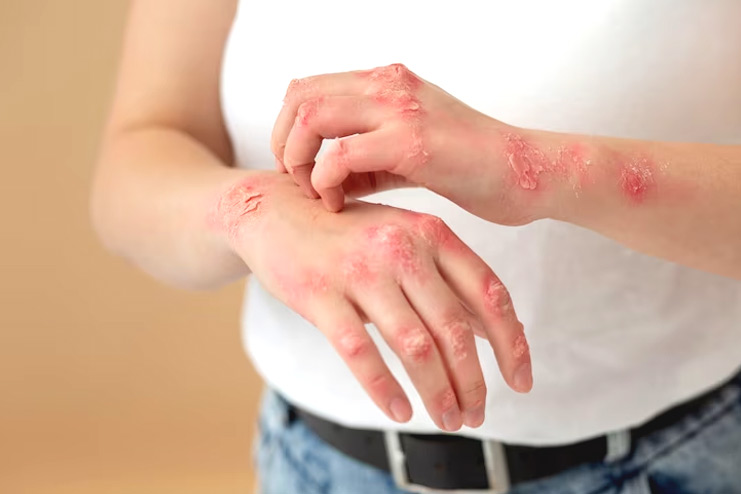
Stress and Psoriasis Flare-ups:
Stress is a significant trigger for psoriasis flare-ups, causing the
symptoms to worsen or become more frequent. Individuals with psoriasis
often experience an increase in red, itchy, and scaly patches during
stressful periods.
Inflammatory Pathways and Stress Response:
Stress activates inflammatory pathways in the body, which can
exacerbate the immune system’s response in individuals with psoriasis.
This leads to an accelerated turnover of skin cells and the formation of
thick, inflamed patches characteristic of psoriasis.
Stress Reduction Strategies for Psoriasis Management:
Effectively managing stress is crucial in controlling psoriasis
symptoms. Strategies may include practicing relaxation techniques like
yoga or meditation, engaging in regular exercise, getting sufficient
sleep, and seeking support from therapists or support groups.
Additionally, incorporating stress-reducing activities such as hobbies,
spending time in nature, and maintaining a balanced lifestyle can also
contribute to psoriasis management.
By addressing stress and implementing stress reduction strategies,
individuals with psoriasis can potentially reduce the frequency and
severity of flare-ups, leading to improved skin comfort and a better
quality of life.
4. Rosacea:
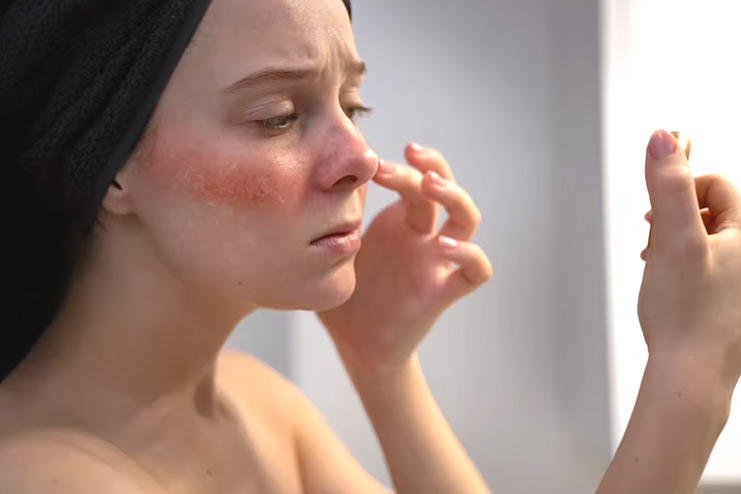
The Impact of Stress on Rosacea Symptoms:
Stress has a significant impact on rosacea symptoms, often triggering
or exacerbating flare-ups. Many individuals with rosacea report that
stress can lead to increased facial redness, flushing, and the
appearance of visible blood vessels.
Neurovascular Dysregulation and Stress:
Stress plays a role in neurovascular dysregulation, which is
associated with rosacea. The stress response can cause blood vessels in
the face to dilate, leading to flushing and heightened skin sensitivity.
This can contribute to the persistent redness and inflammation seen in
rosacea.
Stress-Relief Techniques to Manage Rosacea:
Managing stress is crucial for effectively managing rosacea symptoms.
Incorporating stress-relief techniques can include practices such as
deep breathing exercises, progressive muscle relaxation, avoiding
triggers like hot beverages or spicy foods, and seeking emotional
support through therapy or counseling. Additionally, practicing gentle
skincare, using mild and non-irritating products, and protecting the
skin from excessive sun exposure can aid in rosacea management.
By addressing stress and implementing stress-relief techniques,
individuals with rosacea can potentially reduce the frequency and
intensity of flare-ups, leading to improved skin appearance and overall
well-being.
Understanding the Mind-Body Connection
1. The Bidirectional Relationship Between Stress and Skin:
The relationship between stress and skin conditions is bidirectional,
meaning that stress can both influence and be influenced by skin
health. While stress can exacerbate skin conditions, the presence of
skin issues can also contribute to increased stress levels.
Understanding this interconnected relationship is crucial for managing
both stress and skin conditions effectively.
2. The Role of Neurotransmitters and Hormones:
Neurotransmitters and hormones play a significant role in the
mind-body connection between stress and skin. Stress triggers the
release of neurotransmitters like cortisol and neuropeptides, which can
impact skin functions, including inflammation, oil production, and wound
healing. Additionally, hormonal changes during stress can further
affect skin health and contribute to the development or aggravation of
various skin conditions.
3. Psychodermatology: The Interplay of Mental Health and Skin Conditions:
The relationship between mental health and skin conditions is examined in psychodermatology. It acknowledges the important role played by psychological factors like stress, anxiety, and depression in the development, progression, and treatment of skin conditions. Combining traditional dermatological treatments with psychological interventions like cognitive-behavioral therapy and mindfulness exercises has shown promising results in enhancing both mental health and skin health.
People can develop a more thorough strategy for managing stress and skin conditions by comprehending the mind-body connection, the function of neurotransmitters, hormones, and psychodermatology. By addressing both the physical and psychological components, this holistic approach promotes better overall wellbeing and skin health.
Effective Stress Management Techniques for Healthy Skin
1. Lifestyle Modifications for Stress Reduction:

Regular Exercise and Physical Activity:
Engaging in regular exercise and physical activity is an effective
way to manage stress and promote healthy skin. Exercise releases
endorphins, which are natural mood enhancers, and helps reduce stress
hormones like cortisol. Aim for at least 30 minutes of
moderate-intensity exercise most days of the week, such as brisk
walking, jogging, cycling, or yoga.
Adequate Sleep and Rest:
Getting sufficient sleep and rest is crucial for stress management
and maintaining healthy skin. Lack of sleep can increase stress levels
and negatively impact skin health. Aim for 7-9 hours of quality sleep
each night. Establish a relaxing bedtime routine, create a conducive
sleep environment, and prioritize a consistent sleep schedule.
Balanced Diet and Proper Nutrition:
Eating a balanced diet that is rich in fruits, vegetables, whole
grains, lean proteins, and healthy fats provides essential nutrients for
optimal skin health and stress management. Avoid excessive consumption
of processed foods, sugary snacks, and caffeinated beverages, as they
can contribute to stress and skin issues. Stay hydrated by drinking an
adequate amount of water throughout the day.
By incorporating these lifestyle modifications, individuals can
effectively manage stress levels and support healthy skin. Consistent
exercise, quality sleep, and a balanced diet work synergistically to
promote overall well-being and enhance the skin’s natural radiance.
2. Mind-Body Practices for Stress Relief:

Meditation and Deep Breathing Exercises:
Meditation and deep breathing exercises are powerful techniques for
calming the mind, reducing stress, and promoting relaxation. Find a
quiet and comfortable space, focus on your breath, and allow yourself to
be fully present in the moment. Deep breathing exercises can be
practiced anywhere, providing immediate relief during stressful
situations.
Yoga and Stretching:
Yoga combines physical movement, breath control, and mindfulness,
making it an effective stress management tool. Regular yoga practice
helps release tension, improve flexibility, and promote a sense of inner
calm. Engaging in stretching exercises, whether through yoga or
dedicated stretching routines, can also help relieve muscle tension and
reduce stress.
Mindfulness and Cognitive Behavioral Therapy:
Mindfulness involves cultivating non-judgmental awareness of the
present moment, which can help reduce stress and promote emotional
well-being. Cognitive Behavioral Therapy (CBT) is a therapeutic approach
that helps identify and change negative thought patterns and behaviors.
Both mindfulness and CBT techniques can be beneficial in managing
stress and improving overall mental health.
Incorporating mind-body practices into your daily routine allows for
intentional relaxation, stress reduction, and better management of
skin-related concerns. By making these practices a regular part of your
life, you can cultivate a greater sense of well-being and support the
health of your skin.
3. Skincare and Self-Care Rituals for Stress Reduction:
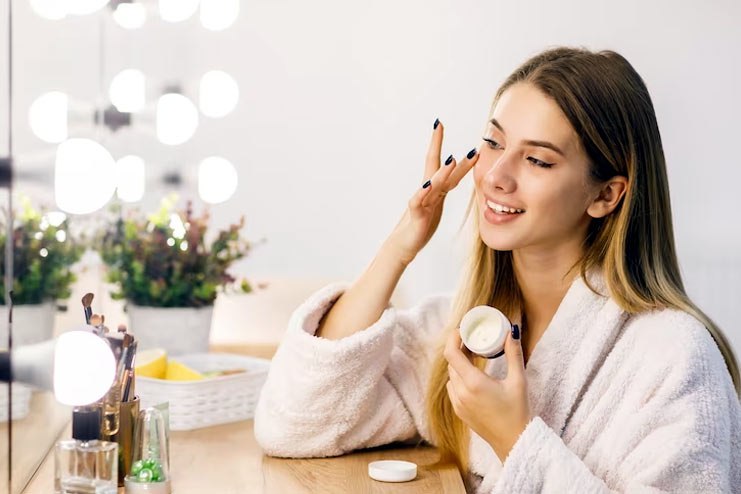
Choosing the Right Skincare Products:
Selecting skincare products suitable for your skin type and concerns
is essential for maintaining skin health and reducing stress. Look for
products with gentle, non-irritating ingredients that nourish and
protect the skin. Avoid harsh chemicals and potential allergens that can
further exacerbate stress-related skin issues.
Establishing a Relaxing Skincare Routine:
Create a soothing and relaxing skincare routine that doubles as a
self-care ritual. Dedicate time each day to cleanse, moisturize, and
protect your skin. Make it a mindful practice by focusing on the
sensations and giving yourself permission to unwind. Incorporate facial
massages or gentle facial yoga techniques to relieve tension and enhance
relaxation.
Incorporating Self-Care Practices into Daily Life:
In addition to skincare, prioritize self-care practices to reduce
stress. This can include activities such as taking breaks throughout the
day to engage in deep breathing or stretching exercises, engaging in
hobbies that bring you joy, spending time in nature, connecting with
loved ones, practicing gratitude, and setting boundaries to maintain a
healthy work-life balance.
By integrating skincare and self-care rituals into your daily life,
you create moments of tranquility and promote stress reduction. These
practices nourish not only your skin but also your overall well-being,
allowing you to cultivate a healthier and more balanced lifestyle.
Conclusion
Maintaining healthy skin requires managing stress above all else. Because of the complex link between stress and skin problems, reducing stress is essential for promoting skin health. People can manage stress and lessen its effects on their skin by taking proactive measures after learning how stress affects the skin. You can take charge of your health and enhance the health of your skin by arming yourself with knowledge and putting stress management techniques into practice. You can develop a holistic strategy that nurtures both your mind and your skin by adopting lifestyle changes, participating in mind-body practices, incorporating self-care rituals, and choosing the right skincare products.
Remember, everyone’s journey to managing stress and achieving healthy
skin is unique. Experiment with different techniques, listen to your
body, and seek professional guidance when needed. By prioritizing stress
reduction and adopting practices that support your overall well-being,
you can embark on a path towards healthier skin and a more balanced and
fulfilling life.
Frequently Asked Questions (FAQs)
1. How does stress affect the skin’s natural barrier?
Stress can disrupt the skin’s natural barrier function, leading to
increased sensitivity, dryness, and a compromised ability to retain
moisture. This can make the skin more prone to irritation, inflammation,
and the penetration of harmful substances.
2. Can stress cause permanent skin damage?
While stress can have a significant impact on the skin, it generally
does not cause permanent damage on its own. However, chronic or severe
stress can exacerbate existing skin conditions and contribute to
long-term skin issues if left unmanaged.
3. What are some signs that stress is affecting my skin?
Signs that stress is affecting the skin may include increased
redness, sensitivity, breakouts, dryness, itchiness, or a worsening of
existing skin conditions. Stress can also manifest as premature aging,
dull complexion, and overall poor skin health.
4. Are there any specific skincare ingredients that help with stress-related skin issues?
Certain skincare ingredients can help alleviate stress-related skin
issues. Ingredients like antioxidants, hyaluronic acid, niacinamide, and
soothing botanical extracts such as chamomile or aloe vera can help
calm and nourish stressed skin.
5. Can reducing stress improve existing skin conditions?
Yes, reducing stress can have a positive impact on existing skin
conditions. By managing stress levels, individuals may experience a
reduction in inflammation, improved barrier function, and better overall
skin health, leading to a potential improvement in existing skin
conditions.
6. Can stress cause skin conditions to develop in the first place?
While stress alone may not directly cause skin conditions, it can act
as a trigger or exacerbating factor for various skin issues. Stress can
disrupt the immune system, increase inflammation, and affect hormonal
balance, all of which can contribute to the development or worsening of
skin conditions.
7. How long does it take for stress-related skin conditions to improve?
The time it takes for stress-related skin conditions to improve can
vary depending on the individual, the severity of the condition, and the
effectiveness of stress management techniques. With consistent stress
reduction measures and proper skincare, improvements can be seen over a
period of weeks to months.
8. Can stress cause hair loss and scalp issues?
Yes, stress can contribute to hair loss and scalp issues. Chronic or
severe stress can disrupt the hair growth cycle, leading to excessive
shedding or thinning of the hair. Stress can also trigger scalp
conditions such as dandruff, itchiness, or scalp inflammation.
9. What role does diet play in managing stress-related skin conditions?
A balanced and nutritious diet plays a vital role in managing
stress-related skin conditions. Consuming a diet rich in fruits,
vegetables, whole grains, lean proteins, and healthy fats provides
essential nutrients that support skin health and overall well-being.
Avoiding excessive intake of sugary and processed foods can also help
manage inflammation and skin issues.
10. Are there any medications that can help with stress-induced skin issues?
In some cases, dermatologists may prescribe medications such as
topical corticosteroids, immunosuppressants, or acne medications to
manage stress-induced skin issues. However, medication should be
considered alongside stress management techniques and used under the
guidance of a healthcare professional.