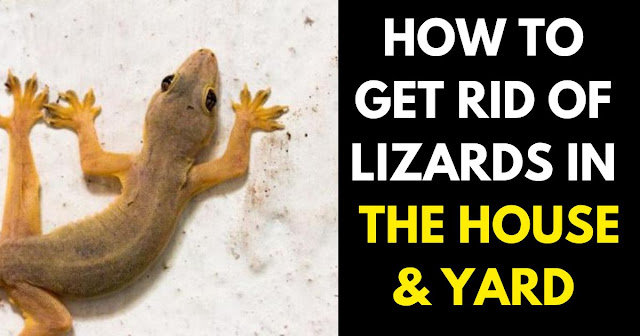
Most people don’t want lizards around their home, whether it’s just a few or many. Here’s how to get rid of them:
Lizards might not be the first thing you think of as pests, but many
homeowners don’t want them inside or in their yard. You might wonder how
long they live, if they bite, or what their droppings look like. While
these questions can be interesting, the key to getting rid of lizards is
understanding what attracts them and how to keep them away.
The good news is that once you figure out what’s drawing them to your yard, you can get rid of lizards effectively.
 Youtube
Key Points to Remember
- – Lizards are helpful in nature as they control insects and can even help reduce Lyme disease.
- – Worldwide, there are over 4,000 lizard species, with some like the
common house gecko and Carolina anole often found in homes. To keep
them out, find and seal any entryways, use natural repellents, and
remove their food sources. - – For keeping lizards out of your yard, try homemade repellents, maintain a clean yard, or plant plants that lizards don’t like.
- – If you can’t handle the lizards yourself, pest control experts can
assess the situation, trap the lizards, and provide ongoing services.
Understanding Different Types of Lizards
You’re probably familiar with what a lizard looks like, but did you
know there are over 4,000 species out there? In the U.S., two kinds
often find their way into homes: the common house gecko and the Carolina
anole, also known as the green anole.
Here’s a breakdown of each:
1. Common House Gecko
 Photo by Wikipedia
These lizards, common in warmer areas of the U.S., have a slim body measuring 3-6 inches with a flat, arrowhead-shaped head.
They come in shades of brown, green, or grey with delicate spots.
Males have pink throat fans and might seek shelter indoors during
winter.
2. Carolina Anole
 Photo by Wikipedia
These small lizards, about 5-8 inches long, are green or brown
depending on their surroundings. Males also sport pink throat fans and
might be seen indoors during colder weather. They usually live in trees
but can be found anywhere, including on fences and rooftops.
In Northern California, two other types are prevalent:
3. Alligator Lizards
 Photo by WDFW
Named for their scaly appearance, they measure 3-7 inches and are
skilled climbers often found in high places like walls or behind
furniture. They come in various colors like brown, green, gray, or
yellow and are active in the mornings and evenings.
4. Western Fence Lizards
 Photo by Wikipedia
These are common across several states. They’re small, about 3-6
inches long, and known for their blue bellies. They’re brown or black
with black stripes on their backs and can be found sunning themselves on
rocks, fences, or decks during the day.
What Makes Lizards Come into Your House and Yard?
While lizards might not seem like typical pests, they can become a
nuisance when they invade your home or yard. So, why do they show up?
Here are the main reasons lizards might be attracted to your place:
1. Food
Just like any creature, lizards are attracted to food. They eat
insects like worms, ants, spiders, and flies. If you have these pests
around, you might also attract lizards.
Lizards also enjoy fruits, veggies, and crumbs left by people, making
kitchens, bathrooms, and outdoor areas like gardens and compost piles
popular spots for them.
2. Shelter
Lizards like hiding in cool, dark spots. Inside your home, they might
hide behind furniture or cupboards. Outdoors, they often hide behind
sheds, garden beds, or benches.
3. Water
Lizards need water to survive, so they’ll be drawn to any water
source. This could be pet water bowls, birdbaths, or even leaks from
pipes and fixtures. Having water available can keep them around for a
long time.
How to Look for Lizards in Your Home and Yard
If you suspect lizards are around, you’ll want to check your property to confirm their presence. Here’s how to do it:
1. Look in Common Hiding Spots
Lizards love hiding in cool, sheltered areas. Inside your home, check
behind clutter, in the garage, kitchen, or sheds for lizards or their
droppings.
Their droppings look like small black pellets with a white tip.
Outside, search warm and humid parts of your garden or yard for hiding
lizards.
2. Check Entry Points
Lizards can sneak in through small gaps in doors, windows, or walls.
Look closely at these areas to spot any openings they might use to get
inside.
3. Inspect Window Screens
Lizards can slip in through torn or open window screens. Make sure all your window screens are in good shape and intact.
While lizards mostly eat insects and are less likely to damage your
garden, it’s still a good idea to check your plants. Lizards might see
your fruits and veggies as tasty snacks, so keep an eye on them too.
How to Remove Lizards from Your Home
To get rid of lizards indoors, you’ll want to focus on eliminating
their food sources and blocking their entry points rather than directly
targeting the lizards themselves.
Here’s what you can do:
1. Seal Entry Points
Make it harder for lizards to enter your home by identifying and sealing off any openings they could use.
Keep in mind that lizards can squeeze through tiny cracks, so use
caulk to fill holes and gaps. Install weather-stripping around windows
and doors, and use wire mesh to cover larger openings like vents.
2. Use Natural Repellents
You can repel lizards naturally by using ingredients they dislike.
Mix a few tablespoons of hot sauce, pepper, or cayenne with warm water
to create a strong-smelling spray.
Then, spray this mixture in the corners of your home and along entry
points like doors and windows. This should discourage lizards from
coming inside.
Avoid setting traps for lizards, as these can harm or kill them.
Instead, focus on making your home less appealing to them by removing
their access and food sources.
3. Remove Food Sources
If you’re wondering how to get rid of lizards in your house, start by cutting off their food supply.
Use basic pest control methods such as securing trash and compost
bins, promptly cleaning up food scraps, and maintaining a clean kitchen,
including the garbage disposal and sink.
If you’re dealing with a significant insect issue, consider hiring a
professional pest control service like Smith’s. They can treat your home
to get rid of insects, which will indirectly drive away the lizards as
well.
4: Eggshells
Save those eggshells
Lizards don’t like the smell of eggs. Instead of tossing your
eggshells, clean them and scatter them in areas where lizards hang out,
like near doors and windows. Remember to remove them the next day to
keep things clean.
5. Lower the Room Temperature
Lizards prefer warmth
Lizards thrive in warm places and don’t like cold temperatures. To
make your home less inviting, set your AC to 22°C or lower. The cooler
temperature can make lizards uncomfortable since they can’t adjust their
body temperature well in colder settings.
6. Garlic and Onions
Use their strong smell to your advantage
Lizards also dislike the strong smell of garlic and onions. Place
cloves of garlic or onion slices in different parts of your home. The
smell will help keep the lizards away over time.
If you don’t want to use whole pieces, you can mix garlic or onion juice with water and spray it around your house instead.
7. Cold Water
Shock lizards with cold water
If you’d rather avoid strong smells or chemicals, try splashing cold
water on lizards. Since they’re cold-blooded, cold water can make them
temporarily immobile. Once they’re still, you can safely remove and
release them outside.
8. Spices
Repel lizards with pepper and chillies
Lizards dislike the strong scents of pepper and chillies. To use
spices against them, mix some pepper or chilli powder with water and
spray it in lizard-prone areas. If that’s not convenient, hanging dried
chillies can work similarly to keep them away.
9. Coffee Powder
Keep lizards at bay with coffee aroma
Lizards don’t like the strong smell of coffee either. Mix coffee
powder with water and spray it where you often see lizards.
Alternatively, you can sprinkle the coffee powder directly. Either way,
the strong coffee scent should help drive them out of your home.
10. Naphthalene Balls
Use with caution to repel lizards
Naphthalene balls are often recommended to deter lizards due to their
strong smell. Placing these balls in corners around your home can help
keep lizards away since they dislike the chemical scent.
However, be cautious if you have children or pets, as naphthalene
balls are toxic. While effective, we don’t recommend using them
regularly due to their poisonous nature.
11. Mosquito Repellent
Fight mosquitoes to reduce lizards
Chemical mosquito repellent sprays can serve a dual purpose:
repelling both mosquitoes and lizards. By reducing the mosquito
population in your home, you’ll also likely see fewer lizards, as they
come inside looking for food. However, these repellents contain
chemicals and aren’t ideal for regular use.
How to Remove Lizards from Your Yard
Dealing with lizards in your yard? You don’t have to resort to
harmful methods. Here are some humane and effective ways to handle the
situation:
1. Homemade Deterrents
For a quick fix, try homemade pepper spray. Mix cayenne or Tabasco
sauce with water and spray it in areas where you’ve seen lizard
activity, such as on the porch or under siding. This simple solution can
provide relief without harming the lizards.
2. Plant Lizard-Repelling Plants
Consider adding outdoor plants that lizards dislike to your yard.
Plants like peppermint, eucalyptus, and pencil trees emit scents that
deter lizards. Incorporating these plants into your garden and
landscaping can help drive lizards away naturally.
3. Maintain Tidy Landscaping
Lizards thrive in areas with plenty of hiding spots. Keep your yard
tidy by sweeping porches and decks, trimming trees and hedges, and
eliminating standing water, which attracts pests that lizards feed on.
By removing potential hiding places, you can discourage lizards from
lingering in your yard.
4. Hire a Pest Control Expert
If your DIY methods aren’t doing the trick, consider hiring a
professional pest control company like Smith’s. They can assess your
property, determine the extent of your lizard issue, and create a humane
and effective plan to eliminate them for good.
How Pest Control Experts Handle Lizard Control
When it comes to comprehensive lizard control, Smith’s Pest
Management has you covered. Here’s their approach to tackling your
lizard problem:
1. Assessment
First, the team will assess your property to identify where lizards
are getting in, where they’re most active, and where they’re hiding.
They’ll also determine the type of lizard you’re dealing with and create a treatment plan tailored to your situation.
2. Treatment
Smith’s uses a combination of methods to control lizards. This
includes reducing their food sources and using exclusion techniques to
keep them out of your home.
They always opt for humane methods, focusing on removal rather than harm.
3. Follow-Up
Maintaining a lizard-free home may require ongoing treatments.
Smith’s offers annual pest management plans to keep your property
lizard-free without you having to schedule each treatment yourself.
Preventing Lizard Re-infestation
To keep lizards from coming back, follow these prevention tips:
- – Control insect populations in and around your home.
- – Use barrier treatments to prevent lizards from entering your home.
- – Secure food scraps and water sources to eliminate attractions for lizards.