

The body’s immune system includes the lymphatic system. It serves various vital bodily purposes. An outline of the various lymphatic system components as well as details on lymphatic drainage massage for detoxification and edema reduction are given in this article.
What is the lymphatic system?
The lymphatic system consists of a network of organs, tissues, and vessels which are briefly described below.
Lymph fluid
Blood
capillaries deliver nutrients and collect waste products from the cells
and tissues of the body. A colorless, watery fluid called lymph seeps
into body tissues after the blood circulates. Lymph contains proteins,
minerals, fats, damaged cells, cancer cells, white blood cells, and
cells called macrophages. It eventually flows back into the blood
circulation through lymph vessels and mixes with blood plasma.
Lymph nodes
These
are small, bean-shaped glands that filter the lymph fluid. Lymph nodes
also make and store lymphocytes (infection-fighting white blood cells).
There are 500-600 lymph nodes distributed throughout the body. They
occur in groups called chains. Common sites for regional lymph nodes are
the neck, armpits, and groin. A swollen lymph node can occur in
response to infection or from the buildup of lymph fluid or immune system cells.
Lymphatic vessels
A
network of capillaries (small blood vessels) called lymph vessels
collect lymph from the tissues and transport it to the lymph nodes.
Lymphatic capillaries function like veins and have valves to ensure a
one-way flow of lymph. Lymph capillaries join larger vessels called
collecting ducts.
Collecting ducts
The
left lymphatic duct (thoracic duct) and right lymphatic duct are
together called the collecting ducts. They are the larger lymphatic
vessels and the last part of the lymphatic vasculature. The collecting
ducts take the lymph and empty it into the subclavian veins to join the
bloodstream.
Secondary lymphoid organs
In
addition to the primary lymphoid organs mentioned above, the body also
has secondary lymphoid organs and lymph glands through which lymph
passes. Other organs that contain lymphoid tissue include the spleen,
thymus, tonsils and adenoids, Peyer’s patches, and appendix. The bone
marrow is also part of the lymphatic system. It is the soft part inside
bones where white blood cells, red blood cells, and other types of blood cells mature.
What are the 4 main functions of the lymphatic system?
The lymphatic system plays a vital role in the body. Its main functions are:
Fighting bacteria and other infectious agents
The
lymphatic system plays a critical role in immune function. It produces
white blood cells called B cells and T cells, as well as other immune
system cells. B and T lymphocytes fight infection and protect the body
against microbes like bacteria, viruses, fungi, and parasites.
Removing excess fluid and maintaining fluid balance
The
lymph system collects excess tissue fluid and transports it back to the
bloodstream, thus helping to maintain body fluid levels.
Absorbing nutrients from the digestive system
The
lymphatic system collects fats and proteins from the interstitial fluid
in the small intestine and transports these nutrients to the
circulatory system.
Transporting waste products and abnormal cells
The lymphatic system filters and transports waste products, damaged red blood cells and immune cells, and abnormal cells like cancer cells.
What are the diseases of the lymphatic system?
Some of the common diseases of the lymphatic system include:
Lymphadenopathy
This is an enlargement or swelling of the lymph nodes that occurs in response to inflammation, infection, or cancers. Infections like strep throat and mononucleosis commonly cause enlarged lymph nodes.
Lymphadenitis
When swollen lymph nodes (lymphadenopathy) are the result of infection or inflammation, it is called lymphadenitis.
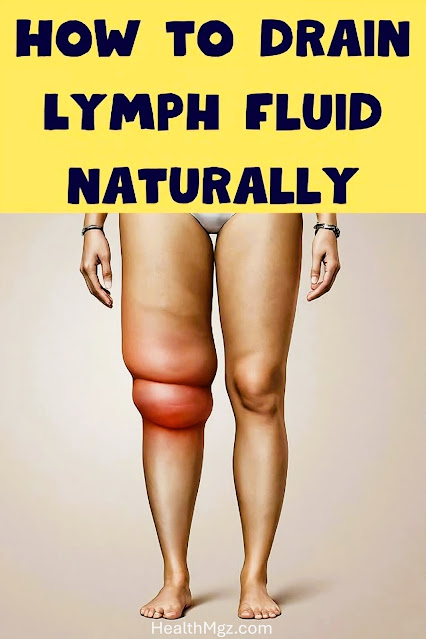
Lymphedema
A blockage in the lymph tissue can lead to an accumulation of fluid. This is called lymphedema (swelling).
The fluid tends to accumulate in the arms and legs. Lymphedema can
occur when infectious agents block lymphatic ducts. It can also occur
when lymph vessels or lymph nodes are damaged, such as after surgery or radiation
therapy for cancer. The severity of lymphedema can range from mild to
painful and disabling swelling. Lymphedema increases the risk of
potentially life-threatening deep skin infections.
Lymphatic system cancers
Primary
tumors of the lymphatic system are called lymphomas. There are
different types of lymphomas, including Hodgkin’s and non-Hodgkin’s.
Cancerous cells from tumors elsewhere in the body can also block
lymphatic tissue and interfere with the flow of lymph.
Lymphatic filariasis
Also
called elephantiasis, this is a parasitic disease in which the type of
roundworm damages the lymphatic system and causes lymphedema (swelling).
How do you keep your lymphatic system healthy?
The
best way to keep your lymphatic system healthy is by leading a healthy
lifestyle. Specifically, you should avoid exposure to toxins and
chemicals, drink plenty of water and stay hydrated, eat a healthy diet,
and exercise regularly.
What is lymphatic drainage massage?
Lymphatic
drainage massage or manual lymphatic drainage is a gentle massage
technique that can help to relieve lymphedema. As mentioned, lymphedema
is swelling that occurs after an illness or medical treatment damages
or blocks the lymphatic ducts. The massage helps to move lymph along
from areas where the lymph vessels are damaged to areas where the
lymphatic ducts are healthy.
Lymphatic drainage
massage should be done by a qualified therapist, but you can also learn
some simple techniques to do at home. It is important, however, to learn
the proper technique so that you know which areas to massage and how much pressure to apply.
Some
of the conditions that can benefit from lymphatic drainage massage
include swelling after breast cancer surgery, filariasis, chronic venous
insufficiency, vein stripping surgery, deep vein thrombosis, excision
of burn scar tissue, rheumatoid arthritis, fibromyalgia, lipectomy, and lipedema.
When should you not do lymphatic drainage massage?
Lymphatic
drainage massage is an effective treatment for lymphedema and is
generally safe for most people. However, people with medical conditions
like heart disease,
kidney failure, blood clots, and infections should not get a lymphatic
drainage massage. Always consult your healthcare provider before
undergoing any kind of massage to detox and drain lymphatic fluid.
References:
- https://my.clevelandclinic.org/health/articles/21199-lymphatic-system
- https://my.clevelandclinic.org/health/treatments/21768-lymphatic-drainage-massage#


