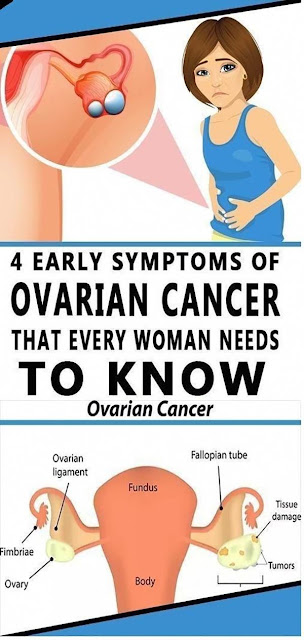
CANCER, AS A BROAD SPECTRUM OF DISEASE, IS CURRENTLY ONE OF THE LEADING CAUSES OF DEATH WORLDWIDE, OF WHICH OVARIAN CANCER IS ONE OF THE WORST – AND LEAST DISCUSSED
When the cells in the ovaries form tumors that turn malignant, ovarian cancer results. This type of cancer is referred to as the “silent killer” because it is thought to have few symptoms and is challenging to find through screening.
Though most common in post-menopausal women, more and more cases show
increased prevalence in women in their 30s and 40s, perhaps even
younger.
Research out of the UK found that early detection of cancer can
drastically increase your chance of survival, so paying attention to
your body and regular check-ins with your doctor are key
The thing is, ovarian cancer is not silent, but quiet. There is
currently no one reliable test: smear tests do not pick up malignant
cysts, and even CA125 blood tests often give false negatives.
Another issue is that many of the symptoms are mistaken for other
diseases, such as IBS (irritable bowel syndrome), leaving early stage
tumors undiagnosed until they reach stage 3, where they can present as
lumps in the abdomen and pelvic area.
New research shows that there are signs and symptoms of early-stage
ovarian cancer, and as women, we must be observant and know when
something is a red flag. Watch for these symptoms:
- Persistent bloating
- Lower abdominal and pelvic pain
- Difficulty eating/feeling full quickly
- Increased need to urinate
All of these symptoms can easily, and often are, mistaken for issues and
diseases with the gastrointestinal tract. If you find yourself
experiencing any of these symptoms when you weren’t before, it is
important to monitor their frequency and persistence. If they don’t go
away after three weeks or more, make an appointment with your doctor to
talk about getting checked for ovarian cancer.