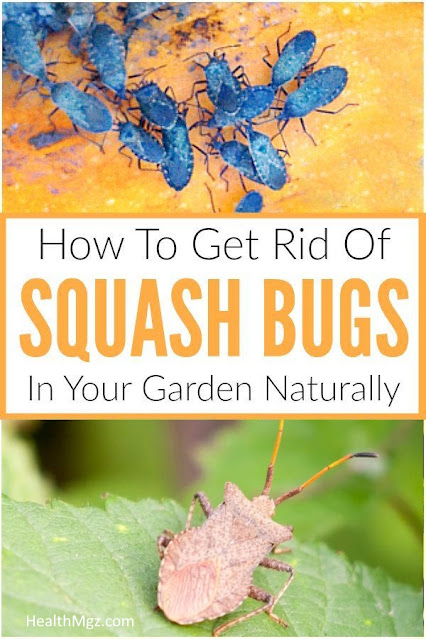
Summer squash, like zucchini, and winter squash are popular choices
for home gardens because they grow well and produce a lot. But they
often have a problem with pests, especially squash bugs.
If you’ve dealt with squash bugs before, you know they can be tough
to get rid of. This article will show you eight natural ways to remove
squash bugs without using chemical pesticides.
What Are Squash Bugs?
Squash bugs are a type of pest that often bothers squash, pumpkins,
zucchini, cucumbers, and other similar plants. They’re big, brown bugs
with orange stripes on their backs. When you bother them, they give off a
bad smell.
They eat plant sap, which can make plants wilt, turn yellow, or even
die. They’re attracted to plants that are growing well because they can
sense CO2. Besides damaging plants by eating, they can also spread
diseases.
Life Cycle of Squash Bugs
Squash bugs go through their entire life cycle in about 6-8 weeks. In
colder places, they have one generation each year, while in warmer
areas, there can be two or three generations.
They can survive winter under leaves, in debris, or even in
buildings. When spring comes, they come out, lay eggs, and start the
cycle again. Adults can live for several months and lay eggs all summer.
Stages of the Squash Bug Life Cycle
Egg
Eggs are laid in groups on the underside of leaves. They’re tiny, reddish-brown, and hatch in about ten days.
Nymph 1 (Crawler)
This is the first stage after hatching. It’s very small, pale green, and has no wings. Its body looks powdery white.
Nymph 2 (Second Instar)
The nymph grows a bit, turns greenish-brown, and still has no wings. Its body remains powdery white.
Nymph 3 (Third Instar)
It gets bigger, turns grayish-brown, and starts to develop tiny wing pads. The powdery white coating disappears.
Adult
Fully grown squash bugs are about half an inch long, dark brown or
black with orange stripes on their backs. They have wings and a hard
shell.
Knowing the different stages of a squash bug’s life cycle helps us
understand when and how to control them. Adults are tougher to get rid
of than nymphs because of their hard shells.
Where Do You Find Squash Bugs?
Squash bugs are common insects all over North America. They usually
target young plants and seedlings early in the growing season. As plants
get older in late summer or early fall, the bugs usually cause less
damage.
You can spot squash bugs crawling on the plants they’re infesting.
They often hide under damaged leaves and near the base of the plant
where they feed on plant nutrients. In early June, they mate and lay
small clusters of eggs on the undersides of leaves until mid-summer.
Over winter, they hide in dead leaves, plant debris, mulch like straw or
hay, or even buildings, and come out in spring to find plants again.
How Do You Know If You Have a Squash Bug Problem?
You can tell you have squash bugs by seeing the bugs or their eggs on your plants or noticing signs of damage to your crops.
Adult squash bugs are flat, gray to dark brown bugs with orange
stripes on their undersides. Young squash bugs, called nymphs, are gray
or light brown with black legs. They often group together and move
quickly on plants rather than flying. The eggs they lay are bronze and
football-shaped, found on the undersides of leaves.
Damage from squash bugs shows up as yellow spots on leaves that turn
brown over time. In bad cases, leaves can turn dark brown, become crispy
and dry, or the plant might suddenly wilt or even die.
Spotting Damage from Squash Bugs
By the time you notice damage on your squash plants, it might be a
serious problem. Even healthy plants can’t handle the damage from squash
bugs. These bugs inject a toxin into plants to feed on their sap, which
leads to:
- Yellow spots on leaves that turn brown
- Leaves wilting, even when well-watered and fed
- Leaves drying up and turning black and crispy
- Stems turning yellow or looking weak
- Smaller plants dying and turning blackish-gray and crispy
Finding damage from squash bugs can be discouraging. But if you act
fast to remove the bugs and trim off damaged parts of the plants, you
can usually save your plant. It’ll need careful attention from the
gardener to recover.
Natural Ways to Get Rid of Squash Bugs
To naturally get rid of squash bugs, follow these steps to control
their numbers. Watch your squash plants closely from the start to catch
and manage the bugs before they cause too much damage.
1. Invite Helpful Insects to Your Garden
Bring in flies and spiders that eat squash bugs. They’ll help control the squash bug numbers and keep your garden healthy.
2. Use the Right Mulch
Squash bugs like to hide in leafy or woody mulch. Pick mulches that help your plants grow but aren’t inviting for pests.
3. Handpick Squash Bugs
If you don’t mind getting hands-on, wear gloves and remove squash
bugs from your plants. Drop them into a soapy water mix to get rid of
them. You can also use duct tape to remove their eggs from the leaves.
Do this regularly until you’ve reduced the bug numbers.
4. Cover Your Plants
Use row covers to shield your squash plants from squash bugs. While
this might interfere with pollination, you can manually pollinate if
needed.
5. Remove Eggs
Look for squash bug eggs under the leaves of your plants. Use duct
tape wrapped around your hand to gently lift them off. Dispose of the
eggs in the trash.
Preventing Squash Bugs
1. Choose Resistant Plants
Pick squash varieties that are less appealing to squash bugs.
Butternut squash is a good choice. Avoid planting pumpkins as they
attract squash bugs.
2. Use Companion Plants
Planting certain plants near your squash can help deter squash bugs:
– Zucchini and Nasturtiums: These plants can reduce squash bug numbers and damage.
– Tansy with Winter Squash: Tansy can discourage squash bugs from laying eggs.
– Mix Up Your Plants: Instead of planting squash in a
single row, mix them with other plants. This confuses pests and makes
it harder for them to infest your squash.
3. Plant in Patterns, Not Rows
Don’t plant all your squash plants in a straight row. Alternate them
with other plants to make it challenging for pests to attack your entire
crop.
4. Use Physical Barriers
Protect young squash plants, which are most vulnerable to squash
bugs, with covers like insect netting, row covers, or fine screening.
You can also use mini hoop tunnels. Remove these covers once your plants
start flowering and are stronger, allowing pollinators to do their job.
Frequently Asked Questions (FAQs) About Squash Bugs
How can I get rid of squash bugs for good?
To permanently remove squash bugs, you’ll need a mix of natural and
chemical control methods. This can be DIY or with help from a pest
control expert. Regular maintenance is key to keeping them out of your
garden for good.
What can I use to kill squash bugs?
You can use a mix of natural, organic, and chemical methods to kill
squash bugs. Being consistent with your chosen method is important to
effectively manage an infestation.
What’s a natural way to kill squash bugs?
Organic sprays can work well against squash bugs. Insecticidal soap
is good if it touches the bugs directly, especially the nymphs and eggs.
Neem oil can also be effective, but be careful as it can affect
beneficial pollinators if absorbed by the plants.
Will Dawn dish soap get rid of squash bugs?
Yes, a mix of Dawn dish soap and water can drown squash bugs. After
picking them off your plants, put them in a bowl with this soapy water
to trap them. But remember, using dish soap directly on your plants can
harm them, so it’s best to use this method for catching bugs rather than
spraying your plants.