Let’s face it, whether you’re enjoying a meal, a long-awaited BBQ, or a patio party, flies can truly ruin the fun. Similar to mosquitoes, certain flies can even ruin the atmosphere with their bites. So, how can you manage these bothersome insects and prevent them from entering your house?
In addition to being bothersome, flies can harbor dangerous bacteria that can cause food poisoning and other illnesses. Finding efficient methods to get rid of them is therefore crucial. Here are a few natural ways to repel flies:
What Attracts Flies?
In Australia, there are three common types of flies: houseflies,
bushflies, and blowflies. Additionally, if you’re a gardener or have
fruit trees, you might encounter fruit flies and vinegar flies around
your plants. After severe weather like floods or storms, black flies may
also appear.
Regardless of the type of fly, there are basic steps you can take to
prevent attracting them to your property. Here’s what typically draws
flies:
Easy Access to Food
Flies are attracted to rotting food and scraps. To prevent this, wrap
food waste tightly, ensure bins have tight-fitting lids, keep them
closed at all times, and empty them regularly. Regularly clean both the
inside and outside of your bins.
Neglected Gardens
If you have a fly problem indoors, the cause might be outside in your
neglected garden. Remove unwanted fruits and vegetables promptly, as
leaving them on trees to ripen and rot can attract fruit flies and
vinegar flies. Also, remove fallen produce from the ground and harvest
fruits early if they’ll continue to ripen after picking.
Open Septic Tanks and Drains
Ensure drains and septic tanks have sealed lids and are undamaged.
Regularly inspect them for fly larvae and repair any entry points if
larvae are found. Keep toilets clean and fully functional, including
inspecting toilet vent pipes for gaps where flies could enter.
Lawn Clippings and Discarded Vegetation
Dispose of garden remnants in tightly closed bin bags to avoid attracting flies.
Animal Feces
Clean up after pets immediately and inspect your garden daily for any wildlife feces.
By addressing these factors, you can minimize fly attraction to your home, garden, and yard.
1. Prevention is Key
Before we dive into methods to repel flies, it’s important to adopt
some common-sense practices to prevent them from breeding and
multiplying in your home:
Cleanliness
Keep your home and outdoor areas clean, especially after gatherings
or meals where dropped food can attract flies. Seal rubbish bags tightly
and maintain clean rubbish bins.
Lighting
Bright white lights tend to attract mosquitoes and flies. Dimming
your lights during outdoor events and using yellow bulbs can help reduce
their attraction. Consider switching to yellow or sodium vapor lights
and avoid leaving lights on overnight.
2. Natural Fly Repellents
Even if you’re diligent with preventive measures, flies may still
find their way into your patio and home. Here are some natural
repellents that could help keep them away:
Homemade Sprays, Herbs, and Plants
– Hydrogen Peroxide: Mix ⅓ hydrogen peroxide with ⅔
water in a spray bottle. Shake well and spray it on surfaces where flies
tend to gather. It’s highly effective.
– Vodka: Flies and mosquitoes aren’t fans of vodka.
To make a repellent, mix 1 glass of vodka with 2 teaspoons of aloe vera
juice, 1 teaspoon of eucalyptus oil, and ½ teaspoon of essential oil.
Pour the mixture into a spray bottle. You can use it on your skin or on
surfaces where flies are present. Test a small patch of skin first to
ensure it doesn’t cause irritation.
– Mouthwash: Fill a spray bottle with alcohol-based
mouthwash and spray it on table and chair legs or any patio surface.
Flies dislike the smell of mouthwash, and it will leave your space
smelling fresh and minty.
Using Natural Oils and Herbs to Repel Flies
Anise Oil
This potent and sweet herb is excellent for keeping bugs away. Simply
mix a few drops of anise oil with water in a spray bottle, shake well,
and spray it on surfaces and outdoor areas to repel flies.
Citronella oil
Citronella oil is known for its ability to repel flies. Mix
approximately 150 ml of witch hazel with 5 drops each of citronella,
eucalyptus, and lavender essential oils in a spray bottle. Thoroughly
mix the ingredients before using this bug repellent spray.
Lemongrass Oil
Create a bug repellent with a refreshing citrusy aroma by mixing
20-25 drops of lemongrass essential oil with half a cup of hot water.
This mixture not only repels pests but also fills your home with a
pleasant scent.
Using Herbs to Repel Flies
Certain herbs and trees have scents that flies can’t tolerate.
Consider planting these near your doorway to prevent flies from entering
your home. Alternatively, you can plant them outdoors to enjoy bug-free
outdoor gatherings. If planting isn’t an option, dried basil and mint
placed in bags and hung outside or inside can also help repel flies
effectively.
Peppermint
Flies dislike strong, fresh scents, and peppermint tops the list in
this regard. It’s easy to care for and makes a lovely addition to your
home.
Lemon Balm (Horsemint)
With its citrusy scent, lemon balm is a breeze to grow and requires minimal care.
Citronella Grass
Known for its effectiveness in repelling flies, citronella grass
needs plenty of sunlight and is sensitive to cold temperatures. Most
mosquito repellents contain citronella.
Basil
Apart from being a culinary favorite, basil’s strong, sweet aroma
also deters flies and mosquitoes. Planting basil allows you to enjoy
both fresh cooking and a fly-free environment.
Thyme
Easy to grow and a potent repellent against mosquitoes and flies, thyme is a versatile herb commonly found in stores.
Catnip
This medicinal herb produces an oil that efficiently kills bugs.
However, if you’re not a fan of cats, avoid planting catnip, as felines
adore it.
Rosemary
Besides enhancing the flavor of your dishes, rosemary serves as a
powerful repellent against flies and other bugs. It’s resilient and easy
to grow.
Marigolds
Plant these charming flowers in summer and spring to keep flies at
bay. Marigolds also add vibrant shades of orange and yellow, brightening
up any space.
Lavender
Renowned for its relaxing properties, lavender is used in commercial
mosquito and fly repellents. Whether grown directly in soil or in a pot,
lavender effectively repels flies. Drying lavender flowers and placing
them in bags indoors also works wonders.
Eucalyptus
Bugs detest the scent of eucalyptus, making it an excellent natural
repellent. Easy to grow, especially in Australia, eucalyptus also
provides relief for nasal congestion.
Tea Tree
Effective against mosquitoes and flies, tea tree leaves offer relief from itching caused by insect bites.
3. Using Aromatic Repellents Like Citronella
Employ various natural scents that smell pleasant to us but repel flies! Here are some examples:
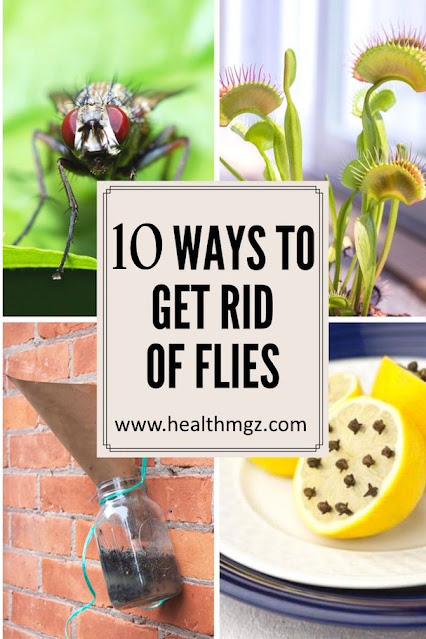
Clove and Lemon Decorative Repellent
Flies can’t stand the strong scents of cloves and lemon, but for us,
they’re delightful. Create this decorative repellent by halving a lemon
and inserting 6-12 cloves into each half. It not only makes a beautiful
centerpiece but also keeps flies at bay effectively.
Natural Apple Cider Skin Repellent
Mix ¼ cup of witch hazel with ¼ cup of apple cider vinegar, and add
30-60 drops of eucalyptus essential oil to create this spray. Apply it
to your skin, but avoid ingestion and discontinue use if it causes
irritation.
Burning Citronella Candles
Burning citronella candles is an effective method as flies dislike
both the scent of the plant and the presence of flames and smoke.
Using a Fan
When cooking a barbecue, flies can be a nuisance. Place a fan near
the barbecue to create a breeze that discourages flies from approaching
the food.
These simple methods can help keep flies away and allow you to enjoy your outdoor activities without interruption.
4. Making Natural Fly Traps
If you’ve decided to trap those pesky flies, here are some creative and easy-to-make traps that will get rid of them:
Sugar-Water Trap
You’ll need a jar, sugar water, and a paper cone. Pour the sugar
water into the jar and cut a small hole (about 1 cm) in the tip of the
cone. Place the cone in the jar with the point facing downwards, making
sure it doesn’t touch the liquid. Flies will be attracted to the sweet
liquid but won’t be able to escape once they enter the jar.
Milk, Sugar, and Pepper Trap
Mix 250ml of milk, 3 teaspoons of sugar, and 1 tablespoon of ground
black pepper in a pan. Heat the mixture on low heat for 5-10 minutes.
Pour the mixture into bowls and place them in areas where you want to
trap and repel flies. The flies will be attracted to the mixture but
will drown as soon as they land on it.
These natural traps are effective and easy to set up, helping you get rid of flies without using harmful chemicals.