The facial mask is applied following cleaning, skin analysis, exfoliation, extractions, and massage in a professional facial. Your specific skin type or condition, whether it be dry, dehydrated, sensitive, red, or oily, is treated by facial masks.
With components like clay, black moor mud, aloe vera, seaweed, algae, essential oils, massage oils, herbs, and vitamins, facial masks typically stay on your skin for 10 to 15 minutes. When the mask has finished its job, the esthetician removes it and applies toner, serum, moisturizer, eye cream, lip balm, and, if it is daytime, sunscreen to finish the facial.
One sign of a good facial is when the esthetician stays in the room
with you during the facial mask, giving you a scalp massage or some
other service that enhances your experience. However, whether you prefer
to do it in the salon or make your own facial mask at home, getting a
facial mask can go a long way to improving the overall health of your
skin.
Benefits of Facial Masks at the Spa
A
face mask is intended to treat your particular skin condition, so it’s
important to choose the right one for you. If you’re using a
professional skin care line, your esthetician can usually recommend a
facial mask for you to use at home, but some are only available for
professional use.
Depending on their ingredients, masks can
tighten and tone, hydrate, nourish, draw out impurities, help blemishes
heal, calm and soothe, or rejuvenate the skin—or any combination
thereof. Additionally, there are several types of masks including clay,
cream, setting, and gel varieties, each of which offers its own unique
benefits.
Clay masks, which contain clay, kaolin, or bentonite for
their tightening and sebum-absorbing effects, help draw oil and dirt to
the surface of the skin. Meanwhile, cream masks or gel masks are
formulated to hydrate and nourish the skin. On the other hand, setting
masks harden into a rubbery state before the esthetician peels them off.
The
benefit of going to the spa or salon for these treatments is that you
can talk through each product with your esthetician before you commit to
one. Additionally, licensed massage therapists and experienced
estheticians know plenty of tricks to help reduce the pain associated
with some of these procedures.
At-Home Solutions That Still Work
While
it’s recommended that you go to a professional esthetician for a fully
curated and personally tailored facial mask, there are plenty of
over-the-counter masks and at-home creations that can go a long way to
restoring your skin without the price tag of a fancy spa or resort.
Fresh
fruits, vegetables, milk, yogurt, honey, and eggs have been used for
centuries as home beauty remedies. Although these ingredients are fun to
experiment with yourself, you won’t find them in a spa setting because
of convenience and sanitation, but knowing the effects of each at-home
solution can be difficult, especially if you’re trying to achieve
specific results.
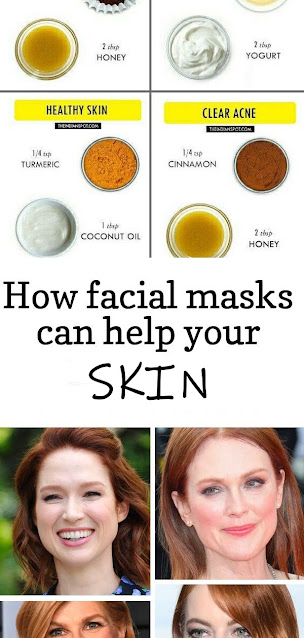
Whether you have dry or oily skin, you can try these solutions on your own:
- Cucumbers
provide cooling, soothing, and healing effects, especially when placed
over the eyes or mixed in a blender with other ingredients. - Avocados
are rich in vitamins A, B1, B2, D, and E and oil, which makes it a good
choice for restoring moisture and toughening dry and sensitive skin. - Honey has hydrating, toning, and tightening effects, and is often mixed with other ingredients for combined effects.
- Papaya
contains papain, a protein-digesting enzyme that dissolves the dead
outer layer of the skin, which means you should avoid using this mask if
your skin is already irritated or sunburned. - Egg whites tighten and tone the skin.
- Yogurt
contains natural lactic acid that helps exfoliate the skin and can be
used alone as a skin softening face mask, which is appropriate for all
skin types. - Potatoes thinly sliced can be used for oily skin or to reduce under-eye puffiness.
- Herbs
and teas such as chamomile (soothing) can be used as ingredients for
face masks to add a variety of effects, depending on the plant.
Making
a face mask at home is relatively simple—just blend ingredients
together until you have a thick enough paste to smear on your skin.
Depending on your desired outcome and the effects of your ingredients,
you should be able to feel results as soon as you wash off your face.