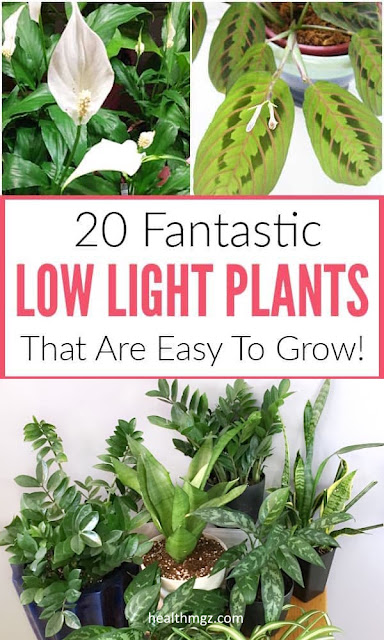
In tropical jungles, sunlight is filtered by lush foliage, creating
ideal conditions for shade-loving plants to thrive. Similarly, dimly lit
areas in your home, such as those facing air shafts or tall buildings,
mimic this natural environment. When selecting your plants, opt for
varieties accustomed to low light conditions. With some simple care,
these plants will flourish. Unlike sun-loving plants, they require less
water due to their slower growth rates and reduced evaporation in shady
environments. Explore our list of 31 shade-loving indoor plants along
with care tips to keep them healthy and vibrant.
Snake Plant (Sansevieria)
One of my absolute favorites, the snake plant, also known as
mother-in-law’s tongue, or officially Sansevieria, is practically
indestructible in low-light conditions. I vividly recall encountering
native snake plants thriving on the dim forest floor during a trip to
Mexico, where sunlight was scarce.
These plants thrive in shaded areas away from direct sunlight, and
they appreciate a bit of humidity. I personally keep mine in dark
corners of my home and even in my sun-deprived bathroom, where it seems
to thrive miraculously. Remember to let the soil dry out between
waterings, as they prefer a drier environment.
Watermelon Peperomia (Peperomia Argyreia)
This plant is as delightful as its name suggests, with leaves
resembling the pattern of a watermelon. Officially known as Peperomia
Argyreia, it’s also sometimes referred to as Watermelon Begonia.
Native to the tropics, this plant thrives in humid and shaded
conditions but prefers bright, indirect light. Too much sunlight can
cause its vibrant colors to fade. Avoid overwatering to prevent root
rot; only water when the top inch or two of soil feels dry. Ensure it’s
planted in well-draining soil to prevent waterlogging.
Nerve Plant (Fittonia)
Here’s a charming addition to your indoor garden: the Fittonia,
commonly known as the nerve plant for its striking veined appearance.
Its veins come in various hues, from pink and green to silver and white,
adding visual interest.
Like many tropical plants, the nerve plant thrives in shaded,
low-light areas. Ideally, place it where it can receive bright, indirect
light, such as a room with a north-facing window. Keep the soil
consistently moist but well-drained. Using a soil moisture meter can
help ensure you’re watering it just right, avoiding both over and
under-watering.
Monstera (Deliciosa)
The Monstera, also known as the Swiss Cheese plant or Monstera
Deliciosa, has gained popularity among millennial households for its
striking appearance. With its lush, green foliage, it thrives in
low-light conditions.
For optimal growth, provide indirect sunlight, and allow the soil to
slightly dry between waterings. This plant enjoys humidity and would
thrive in areas such as a kitchen or a dimly lit bathroom.
Baby Jade
Looking for a low-maintenance succulent? Meet Baby Jade, also known
as Crassula ovata ‘Baby Jade’. It’s perfect for busy plant parents and
can thrive even in low-light conditions. This small succulent has round
leaves similar to the original jade plant but stays compact, making it
great for small spaces or offices.
Like its larger counterpart, Baby Jade can be shaped into a bonsai
tree. Plus, it has air-purifying properties and requires minimal
watering, ideal for those who want a plant without a demanding watering
schedule.
Haworthia cooperi var. Obtusa
Interested in adding variety to your succulent collection? Consider
Haworthia Windows ‘Obtusa’. This unique succulent features translucent
window-like areas on its leaves, allowing sunlight to penetrate and
reach its inner cells. Unlike other haworthia windows varieties, its
leaf tips are rounded rather than angular.
When stressed, it turns a beautiful reddish color. The translucent
areas make it efficient at capturing light, making it suitable for
low-light settings. If you’re looking to diversify your succulent
collection, Haworthia Windows var. Obtusa is worth a try.
Peace Lily
The peace lily is a beautiful and large houseplant known for its
air-purifying qualities. While it can be a bit picky, it thrives in dark
and humid environments. Keep its soil consistently moist, but avoid
over watering.
Place it near an east-facing window to give it warmth and indirect
sunlight. To boost humidity, mist the plant regularly or place it on a
tray of water-covered pebbles.
Pothos
Pothos, available in varieties like Neon, Marble Queen, Golden, and
Satin, is one of my favorites. I have them all over my home! They do
well in low-light and humid conditions, although they grow slower in
darker areas.
I prefer to keep mine in spots with bright indirect sunlight. Allow
the soil to dry between waterings, and use well-draining soil. Pothos
can even grow in just water, which I do for propagation until they’re
ready for repotting.
Indoor plants, like these, have transformed my home into a peaceful
oasis, purifying the air and creating a welcoming atmosphere. They’re
not just décor; they help clear the mind and invite positive energy into
your space.
Ogre Ears, also known as Gollum Crassula
Meet Ogre Ears, a low-light succulent with thick, fleshy leaves that
resemble—you guessed it—ogre ears! Its scientific name is Crassula ovata
‘Gollum Jade’, and it’s a real standout in any succulent garden. Like
most succulents, Ogre Ears is low-maintenance, preferring well-draining
soil and occasional watering.
It can thrive in various light conditions, from bright, indirect
light to low light. Its quirky shape and texture make it a conversation
starter and a favorite among kids, always bringing a smile to my face.
Ponytail Palm
The Ponytail Palm, also known as Beaucarnea recurvata, is a striking
indoor plant perfect for low-light conditions. Its long, curly leaves
resemble a ponytail, giving it its name.
The thick, leathery leaves help it retain moisture, making it ideal
for dry environments with low humidity. The unique trunk stores water,
allowing the plant to survive drought with minimal attention. However,
if you have cats, beware.
They love to chew on Ponytail Palms, transforming them from beautiful
specimens to unsightly messes. I had to re-home mine due to my cats’
antics, but thankfully, my aunt is now enjoying its beauty in her home.
Dracaena
Dracaena plants come in various shapes and sizes, from small tabletop
versions to taller, tree-like ones. They have different leaf shapes and
colors, ranging from long and strappy to lance-shaped, with shades of
green, variegated patterns, and hints of red or purple.
Some popular species include Dracaena marginata, Dracaena fragrans,
and Dracaena reflexa. They prefer low to medium indirect light and are
generally easy to care for, but keep in mind they’re toxic to pets.
Parlor Palm
The Parlor Palm is characterized by its thin, arching fronds emerging
from a central stem. It thrives in low to indirect light and can grow
up to 2 to 6 feet tall. While it does well in low light, providing
brighter light can promote healthier growth.
This plant’s elegant appearance and adaptability to indoor conditions have made it a beloved choice for interior decoration.
Spider Plant
Native to South Africa, the Spider Plant is known for its long,
narrow leaves, typically green with white or cream-colored stripes. It
can grow up to 2 feet tall and thrives in low to medium indirect light.
One of its unique features is its ability to produce small plantlets
at the ends of long stems, which can be easily propagated to create new
plants. It’s an easy-to-care-for plant and is non-toxic to pets.