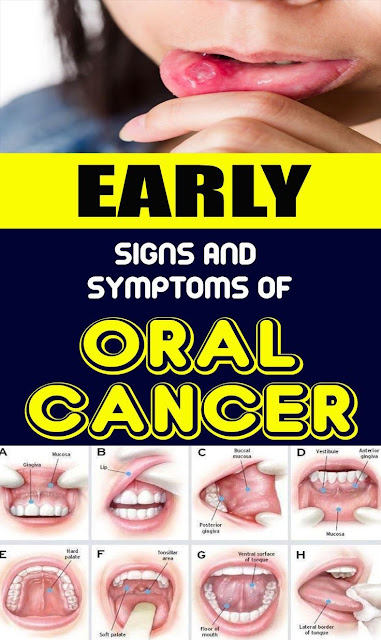
A cancer that starts in the tissues of the mouth or throat is called oral cancer. It can happen to the tonsils, gums, tongue, and other oral tissues.
More than 51,000 Americans will receive an oral cancer diagnosis this year. Although there are ways to reduce your risks, men are more likely to develop this type of cancer than women.
The death rate from oral cancer has declined over the last 30 years. Early detection and prompt treatment increase your chances of survival, just like with other cancers. Are you in danger? Learn more about who is at risk for oral cancer as well as the warning signs, symptoms, and causes by reading on.
What are the signs of oral cancer?
As with many
other types of cancer, the signs and symptoms of oral cancer vary from
person to person. Some of the most common signs include mouth sores, or
pain that doesn’t go away.
Oral cancer may also appear as white or red patches on the gums, tonsils, or the lining of the mouth.
Other symptoms include:
- swelling in your neck
- a lump in your cheek
- difficulty swallowing or chewing
- feeling like something is caught in your throat
- trouble moving your jaw or tongue
- weight loss
- constant bad breath
What puts me at risk for oral cancer?
Researchers
aren’t exactly sure what causes oral cancers. But scientists now
believe that cancers start after there’s damage or mutations in the
genetic code that controls cell growth and death.
These factors are known to increase your risk of developing oral cancer:
- Tobacco use. Smoking
cigarettes, cigars, pipes, or using smokeless tobacco or chewing
tobacco is one of the most well-known risks of oral cancer. - Consuming large amounts of alcohol. Heavy
drinkers are more likely to be diagnosed with oral cancer. For people
who use tobacco along with alcohol, the danger is much higher. - Human papillomavirus (HPV). Cancers
that are linked to HPV are generally found at the back of the throat,
the base of the tongue, and in the tonsils. Although the overall cases
of oral cancer are dropping, cases due to HPV have been rising. - Sun exposure. An
excess of sun exposure on your lips increases your risk of oral cancer.
You can reduce the danger by using a lip balm or cream containing SPF.
Other risk factors include being older than 45, being exposed to radiation, and having another type of head and neck cancer.
Minimizing your risks
Cancers
of the mouth are among the most preventable types of cancers. The
number one thing you can do to prevent oral cancer is to never start
smoking, or quit smoking if you currently do.
You can also reduce your risk by:
- limiting your exposure to the sun and wearing SPF lip balm
- eating a balanced, well-rounded diet of fruits and vegetables
- drinking in moderation, if you drink alcohol
- removing your dentures at night and cleaning them every day
- practicing good oral health habits
While
it’s impossible to fully prevent oral cancer, taking these steps can
help reduce your chances of diagnosis. Visiting your dentist on a
regular basis will help ensure any signs of oral cancer are identified
as early as possible.